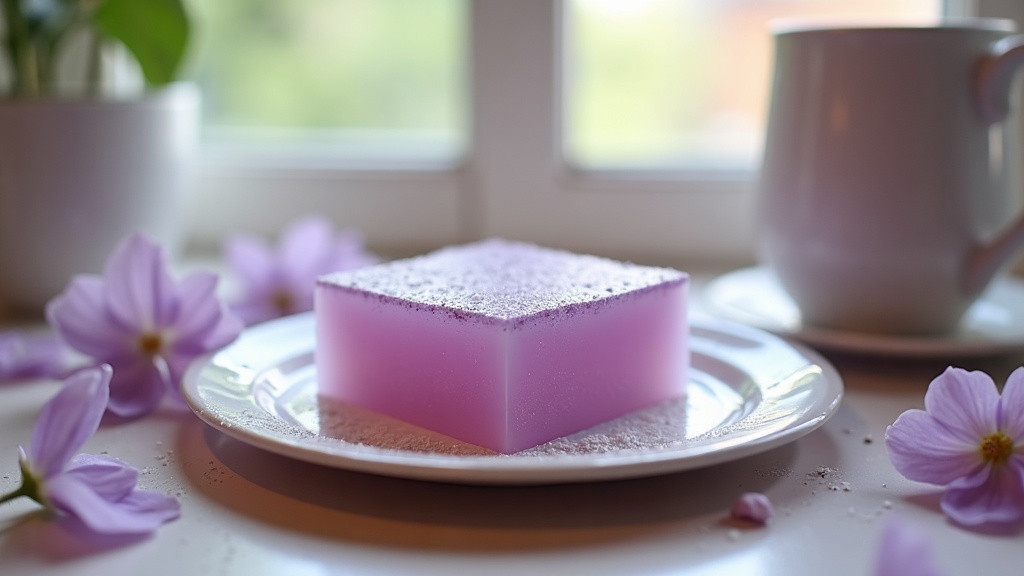
Before chasing another quick fix, consider what women researching baking soda e gelatin are learning about collagen, satiety, and the habits traditional diets tend to overlook.
Most women expect weight to be the first sign that something has shifted. In reality, the body tends to whisper before it shouts, and the signals rarely show up where anyone is looking.
Calorie-counting frameworks were designed decades ago, often without accounting for how satiety, hormones, and lean tissue shift across a woman's life.
Collagen production tends to slow gradually, and because its effects show up in skin, joints, and connective tissue rather than on a scale, the change is easy to miss.
Body composition can shift in ways that aren't obvious in the mirror, which is part of why weight alone tells an incomplete story.
The internal cues that once made 'enough' feel obvious can become quieter over time, making old eating patterns feel less dependable.
Much of what circulates about female metabolism was never verified — it simply repeated often enough to sound true.
Metabolism only slows down after a certain birthday.
Metabolic rate is influenced by many overlapping factors — muscle mass, activity, sleep, and hormones — not a single birthday.
Eating less is always the fastest way to feel lighter.
Chronic under-eating can affect satiety signals and energy in ways that make sustainable habits harder to maintain.
If the scale isn’t moving, nothing is happening.
Body composition, hydration, and connective tissue health can shift independently of the number on a scale.
Rather than another restrictive plan, this approach centers on small, repeatable habits that respect how the body actually communicates.
Notice patterns in hunger, energy, and rest for a week before adjusting anything — awareness comes first.
Layering a single new habit, like a consistent evening ritual, tends to be easier to sustain than overhauling everything at once.
Energy, sleep quality, and comfort in movement often shift before any number does.
Long before wellness trends had names, home kitchens leaned on gelatin-rich broths and simple pantry staples as part of everyday cooking — not as a remedy, but as tradition passed between generations. Baking soda, too, had its place on the shelf for reasons far removed from today’s headlines. What’s notable is that both have re-entered conversations about collagen-rich eating and digestive comfort, prompting more women to ask what earlier generations may have understood intuitively.
The interest isn’t in a novel discovery — it’s in revisiting ingredients that were already in the pantry, viewed now through a more curious, informed lens.
Shifts in skin elasticity or texture can sometimes reflect underlying collagen changes rather than product choices alone.
New stiffness, especially after rest, is often dismissed instead of noticed as a pattern worth tracking.
When fullness cues feel inconsistent, old habits around portioning can stop working the way they used to.
The same habits that once produced consistent results can start behaving unpredictably.
Afternoon fatigue that doesn't match sleep or activity levels is often overlooked as 'just being busy.'
Brittle nails are frequently one of the first visible cues connected to connective tissue changes.
These testimonials reflect individual experiences and opinions. They are not intended to represent typical results, and individual results may vary. This content does not constitute medical advice.
Hydrolyzed gelatin is a form of gelatin that has been broken down into smaller components, often making it easier to incorporate into everyday foods and drinks.
No. This content is educational and general in nature and is not a substitute for professional medical guidance.
No. This page discusses general wellness habits and ingredients; it does not promise or guarantee any specific outcome.
Both have a long history in traditional kitchens and have recently resurfaced in conversations about digestive comfort and collagen-rich eating.
This content is intended for women generally interested in wellness education, without any specific age focus.
Any changes to diet or habits should be discussed with a qualified healthcare professional first.
The video linked on this page walks through the full educational discussion in more detail.
Watch the complete explanation behind baking soda e gelatin and the everyday habits women are revisiting.
Advertising Disclosure: This page contains sponsored content and affiliate links. We may receive compensation if you make a purchase or take action through these links, at no additional cost to you.
Content Disclaimer: This content is for educational purposes only and has not been evaluated by the FDA. It is not intended to diagnose, treat, cure, or prevent any disease. Always consult a qualified healthcare professional before making changes to your diet, habits, or lifestyle.
Results Disclaimer: Individual results may vary. Testimonials and examples shared on this page are not a guarantee of similar outcomes for any individual.
© 2026 · All Rights Reserved · /contact/